
Possible problems with hair transplants
As a general rule, complications are temporary and easily controllable, especially when the procedure is performed in a reputable clinic with specialized medical supervision.
ler mais
Are you also wondering about using Minoxidil after a hair transplant? Is it just a complement, or an essential medication to ensure long-lasting results?
After taking such an important step, it makes complete sense to invest in the kind of care that can make the difference between a good outcome… and a truly excellent one.
Keep reading to find out how to protect and enhance the investment you've made in your hair.
Minoxidil is a vasodilator medication for topical use (or oral use, in some cases) widely used in the treatment of hair loss, especially in cases of androgenetic alopecia, the most common form of baldness.
Minoxidil acts directly on the scalp, helping to…
In other words, Minoxidil does not create new follicles, but "wakes up" the ones that are still active!
Minoxidil is often used as a first-line approach in cases of…
Genetic hair loss (androgenetic alopecia) in men and women.
Although effective, Minoxidil may not be recommended for patients who have…
In addition, people with hypersensitivity to its components should avoid its use. In these scenarios, the approach should be more personalised.
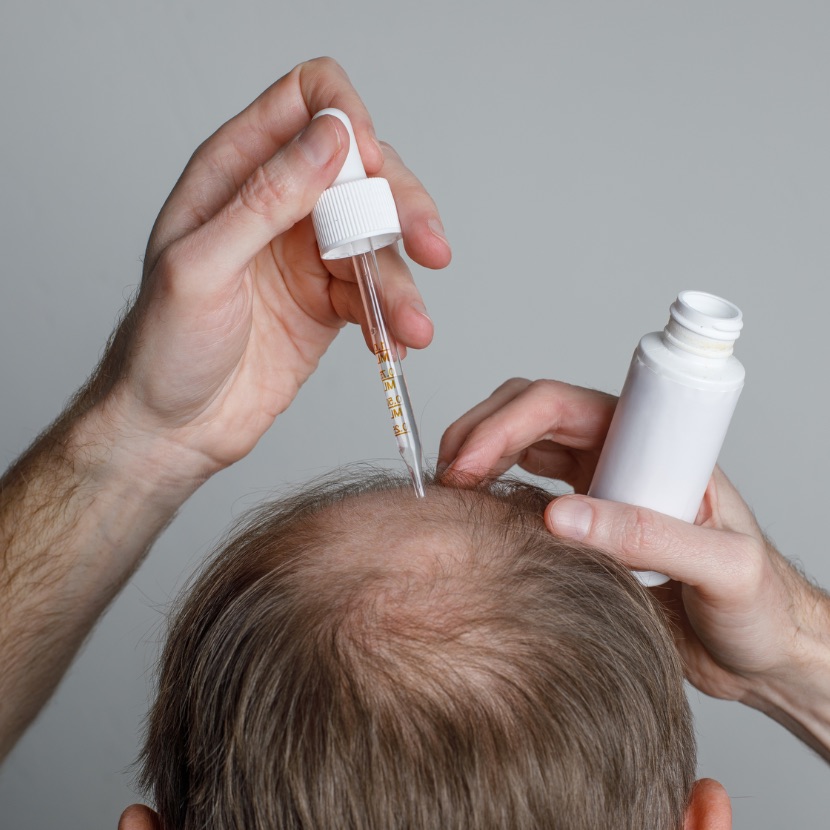
When baldness is very advanced and the follicles have already disappeared, Minoxidil no longer has anywhere to act, and so it isn't effective. But don't lose heart, because this is precisely where another solution for baldness comes in: the hair transplant.
The hair transplant is currently one of the most effective and long-lasting solutions for repopulating areas without hair. It does not prevent the loss of original hair in the remaining areas, but it does resolve the lack of hair in the transplanted zones.
In most cases, yes. That's because Minoxidil after a hair transplant is a way to protect your investment in your hair, the hair transplant "plants" new hair, and Minoxidil acts as a kind of fertiliser that ensures both the new and the existing strands grow strong and healthy.
The Minoxidil and hair transplant combination is a dual strategy that can deliver several benefits:
As a rule, you should start using Minoxidil around 2 to 4 weeks after the hair transplant. Until then, you should wait, because the scalp needs to heal before receiving any product.
Use should be carried out with care and consistency:
In most cases, specialists recommend long-term use to maintain results. Stopping treatment may compromise the results achieved.
If you stop using Minoxidil, the hair that depended on the medication's stimulus to grow or stay thicker may start falling again. The transplanted hair will remain, but the aesthetic harmony can be compromised by the loss of the surrounding hair.
Still have questions about Minoxidil after a hair transplant? Read the answers to the most common questions from our patients!
The transplant resolves the lack of hair; Minoxidil treats the health of the existing hair. The most effective solution is the combination of both.
Yes, to maximise density and protect the hair that has not yet been transplanted.
Yes, it prevents the progression of baldness in the surrounding areas and keeps the transplant result natural and uniform.
It can help stimulate blood circulation and lead the new follicles to start growing earlier.
Yes, it helps improve strand thickness, making it denser.
Yes, that is one of its main benefits.
No, when used correctly and at the right time.
Yes, in specific cases. You should always follow medical guidance.
Yes. Finasteride or other complementary treatments, such as Platelet-Rich Plasma, Hair Mesotherapy, and Low-Level Laser Therapy.
The transplanted hair will not fall out, but the hair that depended on the treatment may start falling again.
Most specialists recommend Minoxidil after a hair transplant.
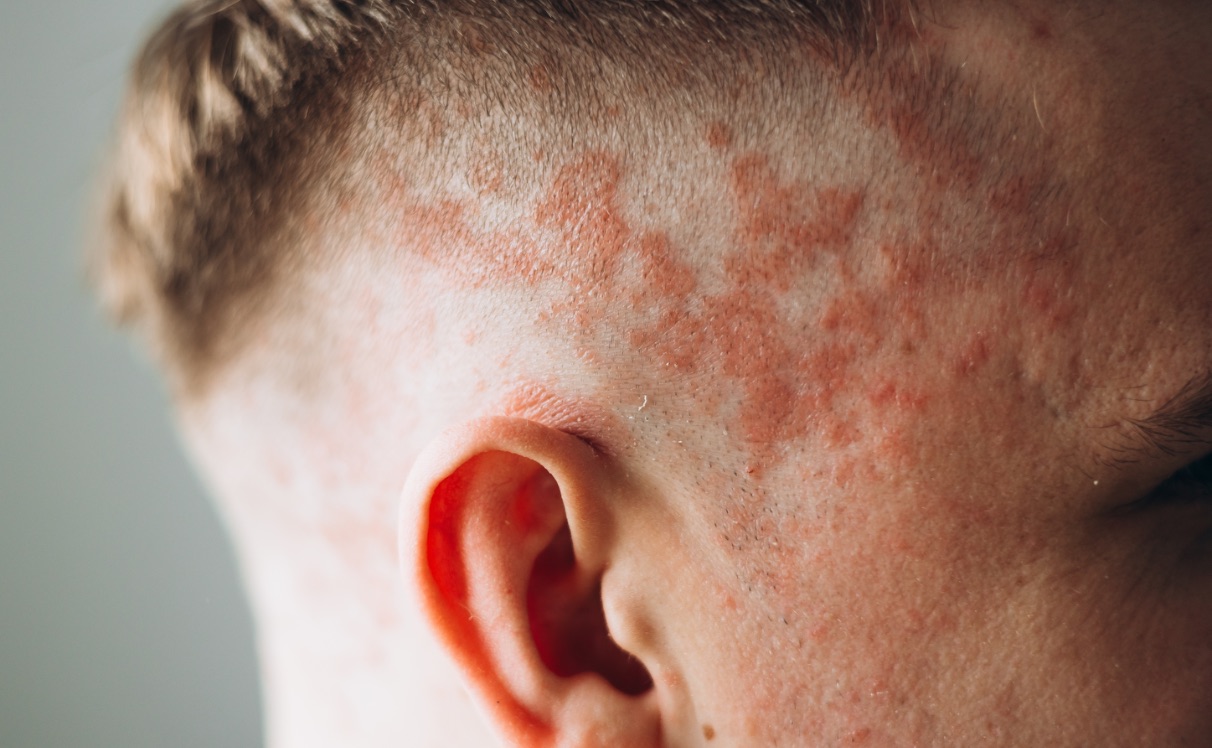
As a general rule, complications are temporary and easily controllable, especially when the procedure is performed in a reputable clinic with specialized medical supervision.
ler mais
Are you ready to truly protect your investment? The dream of recovering your hair and self-confidence starts to take shape through the FUE technique, but the road to success doesn't end at the clinic.
ler mais