
Female Hair Transplant: Everything You Need to Know
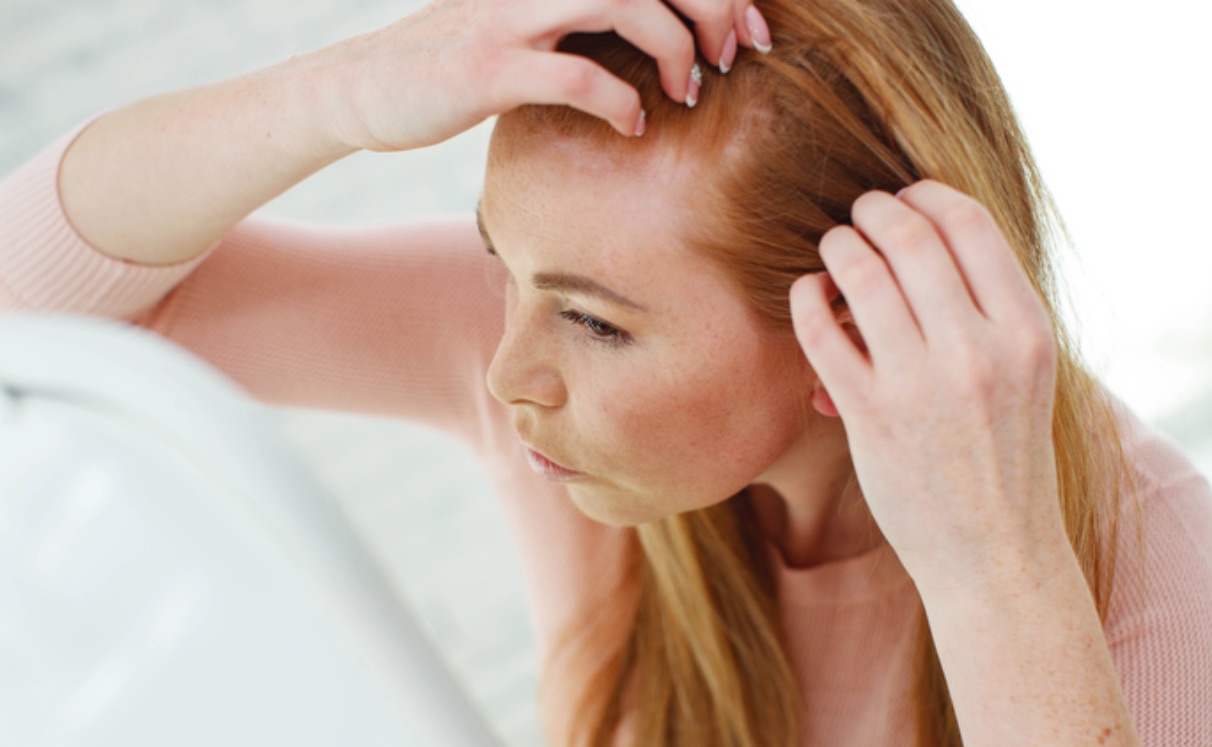
Hair loss doesn’t just affect what you see in the mirror—it also changes how you feel inside, impacting your confidence and self-esteem…
ler mais
Are you ready to truly protect your investment? The dream of recovering your hair and self-confidence starts to take shape through the FUE technique, but the road to success doesn't end at the clinic. Sun protection after a FUE transplant is an essential stage of recovery… and one that deserves your full attention!
Sun protection after a FUE (Follicular Unit Extraction) transplant is essential because, after surgery, your scalp goes through a delicate regeneration process that can be irreversibly compromised by the sun. That's because the newly implanted follicles are extremely fragile and need the natural protection that dense hair would otherwise provide.
Want to know which factors make sun protection after a FUE transplant such a top priority?
Extreme sensitivity of the recipient and donor area in the post-operative period, which are in a state of regeneration that makes the skin thinner and more vulnerable.
Impact of UV radiation on healing, which breaks down collagen and interferes with cell regeneration, potentially causing inflammation and delaying skin recovery.
Risk of sunburn on the grafts, which can compromise follicle survival by cutting off the supply of essential blood and nutrients.
Possibility of permanent dark spots (hyperpigmentation) due to early sun exposure, since melanocytes — the cells responsible for skin colour — are hyperactive after surgery.
Patience is the best friend of your new look! To protect your scalp, you should avoid direct sunlight for one month, following the recovery schedule given by your treating doctor.
To ensure maximum sun protection after a FUE transplant, we divide the process into three key phases:
First month: total and absolute sun protection after a FUE transplant
To protect your scalp and ensure the viability of the new follicles, you should avoid direct sunlight for one month after the FUE hair transplant.
Second to third month: sun protection after a FUE transplant with extra care
The absolute restriction ends in the second month, but vigilance does not! The skin is still pinkish and extremely vulnerable to burns and dark spots, which means sun protection after a FUE transplant remains your best ally; favour shaded areas and the use of appropriate hats or caps.
Fourth and fifth month: sun protection after a FUE transplant with creams and hats
During this period, the new hair starts to come through but is still fine and does not offer enough coverage to protect the scalp. Therefore, exposure can be gradually resumed, but sun protection after a FUE transplant should be maintained with specific sunscreens and hats, avoiding prolonged exposure during the hottest hours.
After the sixth month: sun protection once the FUE transplant results are consolidated
With the gradual normalisation of skin resistance, the scalp recovers its natural barrier and is no longer as sensitive. Even so, you should keep up some sun protection routines after the FUE transplant to preserve skin health and the longevity of the hair.
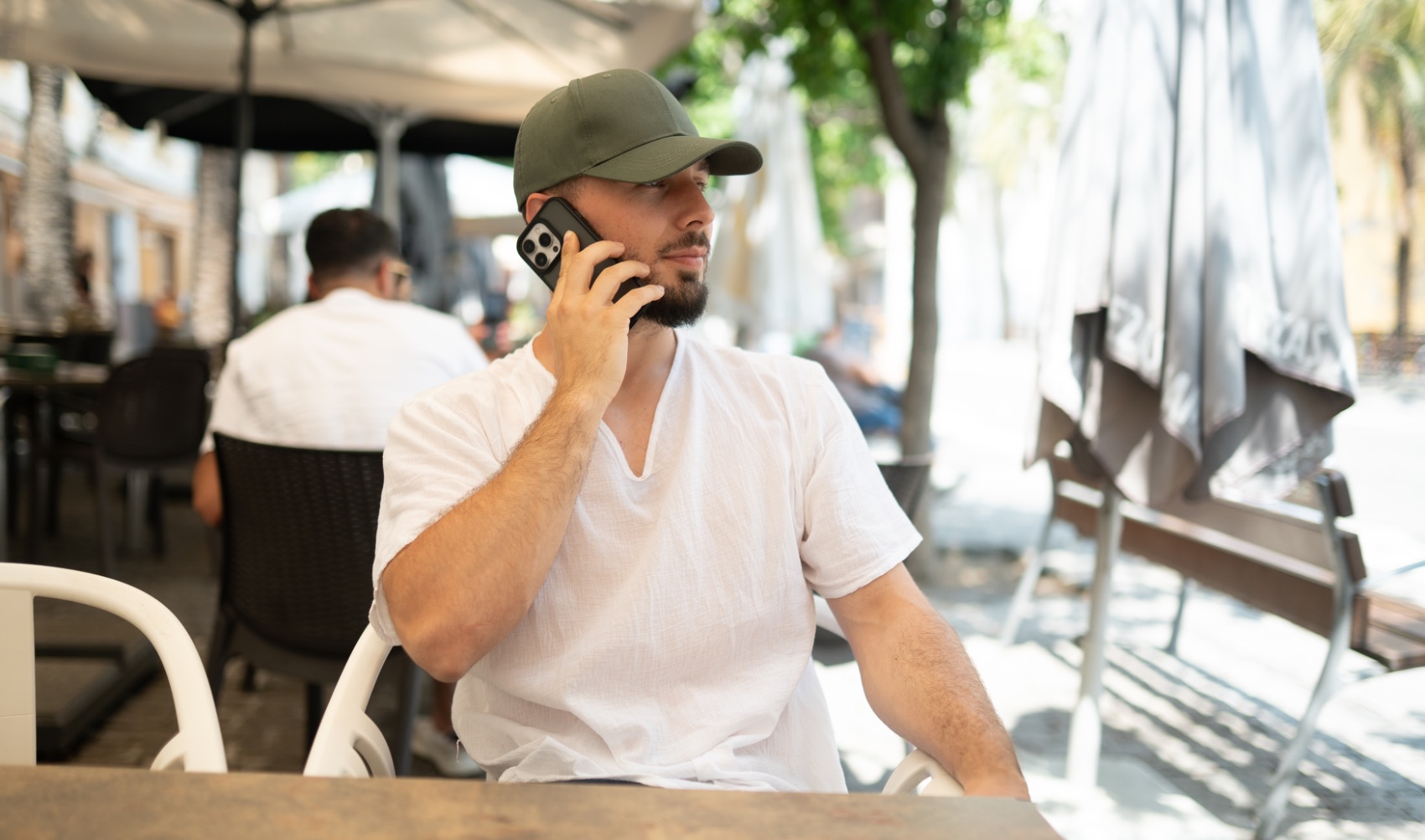
The good news? Sun protection after a FUE transplant is simple and easy to fit into your daily routine. Follow these tips to maintain your lifestyle and safeguard the health of your hair!
Beyond accessories and creams, there are other factors that influence the effectiveness of sun protection after a FUE transplant and support recovery:
Persistent redness? Pain or a burning sensation? Peeling or dark spots? Prolonged swelling or discomfort? In any of these cases, seek specialised medical care, which is essential to protect the transplant result.
If you've noticed any of these signs, don't delay! Medical follow-up at Master Group is essential to reverse possible damage and ensure your transplant stays on track.
Still have questions about sun protection after a FUE transplant? Read the answers to the most frequently asked questions from our patients!
Death of the implanted follicles, severe burns on the sensitive skin, and the appearance of dark spots (hyperpigmentation) that are difficult to remove.
In the first few days, no. After that, sun exposure should be reintroduced gradually, in an indirect and protected way, so as not to compromise healing.
At least one month without direct exposure and up to three months with reinforced sun protection care after a FUE transplant.
Cool the area, avoid further exposure, and contact your treating doctor for specific instructions.
It is not recommended. The environment (sun, heat, sand, salt, chlorine) can compromise recovery, increasing the risk of irritation and infection.
Not always. Prefer gentle formulas suited for a sensitive scalp.
After initial healing, but always confirm with your treating doctor.
Yes. UV radiation is still present.
Yes, but only when authorised and always favouring suitable models.
You can, as long as you use proper sun protection after a FUE transplant and avoid peak heat hours or excessive sweating in the first month.
Intense redness, pain, peeling, and dark spots.
Find a cool place, hydrate, and contact Master Group to assess whether the grafts have been damaged.
At Master Group, we support every stage of your post-operative recovery to ensure natural, long-lasting results.
Hair loss doesn’t just affect what you see in the mirror—it also changes how you feel inside, impacting your confidence and self-esteem…
ler mais
Hair transplants can be an option for all people over 18 years old. That is to say that any adult who is suffering from hair loss can resort to a FUE hair transplant for total hair recovery.
ler mais